From Base to Surface: Uncovering Full-Service Concrete Offerings
Concrete services are fundamental in construction, providing both durability and flexibility. From laying strong foundations to adding decorative touches, these offerings meet diverse project demands. Understanding the benefits and options available is essential for making informed decisions. As undertakings advance, the choice of materials and approaches can profoundly affect both utility and visual appeal. What factors should one consider when selecting a service provider, and how can maintenance extend the life of these installations?
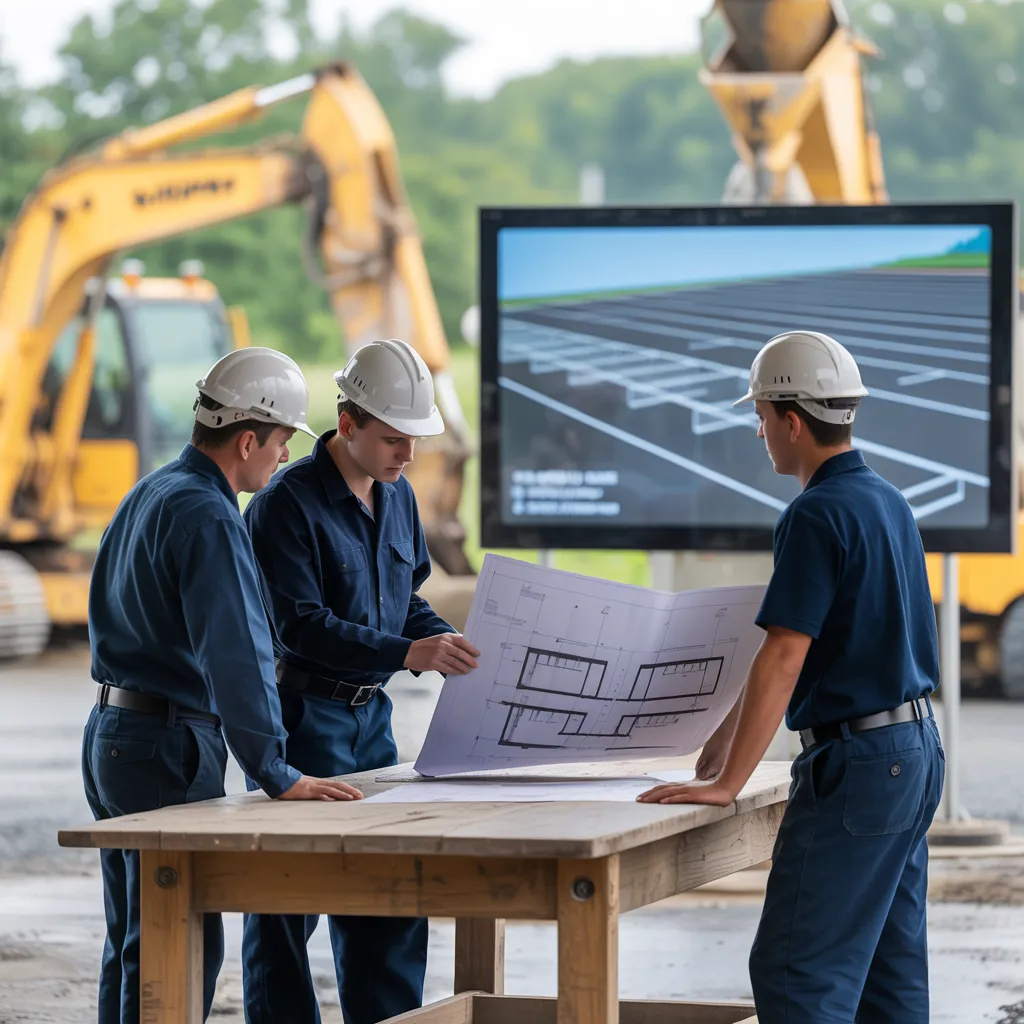
Discovering the Primary Benefits of Concrete Services
What makes concrete services indispensable for building projects? Concrete services provide a foundational element fundamental to the structural integrity and longevity of any building. They deliver adaptability, supporting numerous applications from Asphalt paving flooring to walls, making certain that every project can fulfill unique design and functional demands. The durability of concrete, resistant to weather and wear, contributes to reduced maintenance costs over time, making it a cost-effective solution. Moreover, concrete services can boost energy efficiency by leveraging thermal mass, which aids in stabilizing indoor building temperatures. These services additionally promote environmental sustainability by making use of recyclable materials and cutting down on waste. In addition, experienced concrete specialists ensure that projects comply with safety regulations and building codes, reducing possible hazards. Overall, the benefits of concrete services extend beyond aesthetics; they play an essential role in optimizing performance, safety, and sustainability in construction.
Critical Concrete Work for Durable Foundation Systems
In the realm of concrete services, recognizing the multiple forms of concrete foundations is vital for any construction project. Effective reinforcement serves a key function in ensuring strength and reliability, while proven methods of foundation repair can prolong the life of structures. These fundamental services serve as the foundation for strong, reliable foundations.
Varieties Of Concrete Foundations
Concrete foundations play an essential role in the durability and long-term integrity of any structure, as they deliver the essential support for the complete structure. Several primary types of concrete foundations exist, each suited to different soil conditions and structural needs. The most common types include slab foundations, which are a single, thick layer of concrete; crawl space foundations, which raise structures off the ground; and basement foundations, which offer extra living space and storage capacity. Every type carries distinct advantages, such as straightforward construction, budget efficiency, or superior insulation. Recognizing these distinctions is critical for selecting the appropriate foundation that corresponds to the unique needs of the project, ensuring a solid base for any construction endeavor.
Value Of Adequate Reinforcement
Reinforcement functions as a crucial element in securing the durability and strength of concrete foundations. Appropriate reinforcement strategies, such as the use of steel rebar or fibrous materials, strengthen the overall structural integrity by delivering tensile strength that unreinforced concrete is unable to offer. This pairing successfully reduces the possibility of structural cracking and failure under diverse environmental conditions and loads. Furthermore, sufficient reinforcement enables better distribution of stress throughout the foundation, contributing to long-term performance and durability. Professionals must evaluate factors such as load requirements and soil conditions when creating reinforcement designs. By prioritizing proper reinforcement, property owners can safeguard their investments and ensure the foundation structures are prepared to endure the challenges of time, ultimately supporting the entire structure effectively.
Methods For Foundation Repair
Foundation repair techniques play an essential role in upholding the structural soundness of properties, especially when issues arise from inadequate reinforcement or environmental factors. Widely practiced techniques consist of underpinning, which fortifies the foundation by driving it further into stable earth, and slab jacking, where a mixture is injected beneath concrete slabs to lift and level them. An additional method involves helical piers, which are set in place to deliver stability in weak soil conditions. Moreover, wall anchors help secure deteriorating walls by redistributing load-bearing forces. Every technique is customized to address particular concerns, guaranteeing successful restoration and extending the longevity of the building. A thorough evaluation by qualified experts is necessary to identify the most suitable method for effective foundation restoration.
Innovative Concrete Ideas for Outdoor Areas
Concrete is capable of transforming outdoor spaces via creative patio concepts and sturdy walkway alternatives. Such innovative approaches not only elevate the overall appearance but also guarantee longevity and functionality. Through copyrightining various styles and materials, residents can establish a personalized outdoor environment that satisfies their unique requirements.
Modern Patio Ideas
Since outdoor spaces commonly act as extensions of indoor living areas, modern patio designs enhance these spaces into practical and beautifully crafted retreats. Modern patios make use of innovative concrete solutions, combining texture, color, and form to enrich outdoor experiences. Stamped and stained concrete choices provide distinctive patterns that replicate natural stone or wood, offering adaptability without undermining durability. Adding multi-level designs can define individual zones for dining, lounging, and entertainment, optimizing the use of available space. Furthermore, incorporating planters and seating into the design cultivates a harmonious connection between nature and architecture. Utilizing decorative borders and inlays further distinguishes the space, making each patio a reflection of the homeowner's style. Ultimately, these innovations transform patios into inviting outdoor sanctuaries.
Long-Lasting Walkway Solutions
How can homeowners guarantee their walkways are both useful and attractive? Choosing long-lasting materials is essential. Concrete stands out as an ideal choice due to its resilience and flexibility. Choices like stamped concrete enable imaginative patterns, imitating the appearance of stone or brick, while delivering remarkable strength against the elements and daily use. Additionally, homeowners might consider incorporating decorative aggregates for added texture and visual interest. For those prioritizing environmentally conscious choices, permeable concrete allows for water drainage, reducing puddling and erosion. Additionally, installing suitable lighting can improve safety and appearance after dark. By strategically bringing together these components, homeowners can design walkways that not only stand up to years of use but also elevate the overall charm of their outdoor spaces.
Modern Approaches to Decorative Concrete Finishes
Turning conventional surfaces into remarkable works of art, innovative techniques in decorative concrete finishes have gained popularity among architects and designers. These approaches elevate aesthetic appeal while ensuring durability and functionality. Techniques such as stamping, staining, and engraving allow for a wide range of textures and colors, simulating materials like stone or wood without the corresponding maintenance costs.
Stenciling delivers intricate designs, facilitating unique patterns that can personalize any space. Furthermore, the use of exposed aggregate displays distinctive stone arrangements, adding a natural touch to all surfaces.
Modern breakthroughs, featuring the adoption of eco-friendly pigments and sealers, have played a significant role in the long-term viability of decorative concrete surfaces. By integrating cutting-edge technology, skilled contractors can achieve vivid colors and durable outcomes.
Important Considerations When Selecting a Concrete Service Provider
When selecting a concrete contractor, what key factors should be evaluated to ensure a positive outcome? First, assessing the contractor's experience and skill in particular concrete services is crucial; this confirms they possess the skills necessary for the job. Next, copyrightining their portfolio can provide valuable information about past work and craftsmanship.
In addition, obtaining references and reading customer reviews can assist in assessing reliability and satisfaction levels. It is furthermore necessary to check licensing and insurance details, as this defends against unforeseen liabilities.
Cost breakdowns must be transparent and competitive, facilitating assessment of alternative contractors. Moreover, understanding the materials and techniques used can indicate the company's focus on high standards. Finally, effective communication and responsiveness play a vital role, as they foster a collaborative environment and confirm that project goals are met. Ultimately, careful evaluation of these factors can lead to choosing a skilled concrete contractor.
How to Select the Best Concrete Contractor
Selecting the ideal concrete contractor can significantly affect the result of a job. To arrive at a sound decision, clients should start by assessing the contractor's expertise and focus. It is essential to confirm that the contractor has a proven track record in managing similar jobs, confirming they hold the required knowledge and capabilities.
Moreover, prospective customers should seek recommendations and read online reviews to measure overall satisfaction. Confirming valid licenses and adequate insurance is necessary to protect against liabilities. In addition, obtaining multiple quotes can help in understanding market rates and identifying potential red flags, such as remarkably low price quotes.
In conclusion, strong communication plays a vital role. A professional who carefully considers project demands and delivers precise timeframes shows a commitment to quality service. By thoughtfully weighing these aspects, homeowners can choose a concrete contractor who meets their specific project needs, securing a favorable conclusion for the project.
Tips for Maintaining and Caring for Your Concrete Installations
Following the selection of a skilled concrete contractor, properly maintaining concrete structures becomes vital to protect their durability and performance. Routine cleaning is necessary; debris and stains should be removed promptly to stop deterioration. A thorough but gentle pressure wash can reliably wash away filth and residue without harming the surface.
Sealing concrete surfaces periodically is important to prevent moisture infiltration and staining. This strengthens the surface while enhancing its overall appearance. In the winter season, the application of de-icing agents is not recommended, as they can result in cracks and surface flaking.
Cracks must be treated right away with suitable repair products to stop further degradation. Furthermore, excessive weight should be controlled to avoid undue stress on the concrete structure. By adhering to these maintenance practices, property owners can guarantee that their concrete structures stay reliable and attractive for many years ahead.
Questions Our Clients Often Ask
How Do Concrete Services Affect the Environment?
Concrete production significantly affects the environment through substantial carbon release in the production process, resource depletion, and the disruption of natural habitats. Additionally, inadequate waste management leads to land contamination, while energy-demanding operations worsen climate conditions and drain essential natural reserves.
How Long Does Concrete Usually Last Before Requiring Repairs?
Concrete commonly survives 30 to 40 years on average before requiring repairs, based on factors including environmental conditions, quality of materials, and maintenance practices. Regular inspections can extend its lifespan and identify issues early.
Can Concrete Be Recycled After Its Useful Life?
Indeed, concrete may be recycled after its useful life. It is often broken down and reused as aggregate in fresh concrete mixes or utilized in various construction projects, thereby cutting down on waste while protecting natural resources.
What Safety Protocols Should Be Observed During Concrete Installation?
Throughout the concrete installation process, workers should don the necessary personal protective equipment, maintain sufficient airflow, control dust and noise, secure the worksite, follow equipment safety protocols, and maintain clear communication to avoid accidents and ensure a secure working environment.
How Do Weather Conditions Affect Concrete Curing Times?
Weather plays a significant role in influencing concrete curing times. Warmer temperatures cause moisture to evaporate more rapidly, while low temperatures can delay hardening. Humidity also plays a role, with too much moisture being capable of causing surface defects, affecting the overall durability of the concrete.